
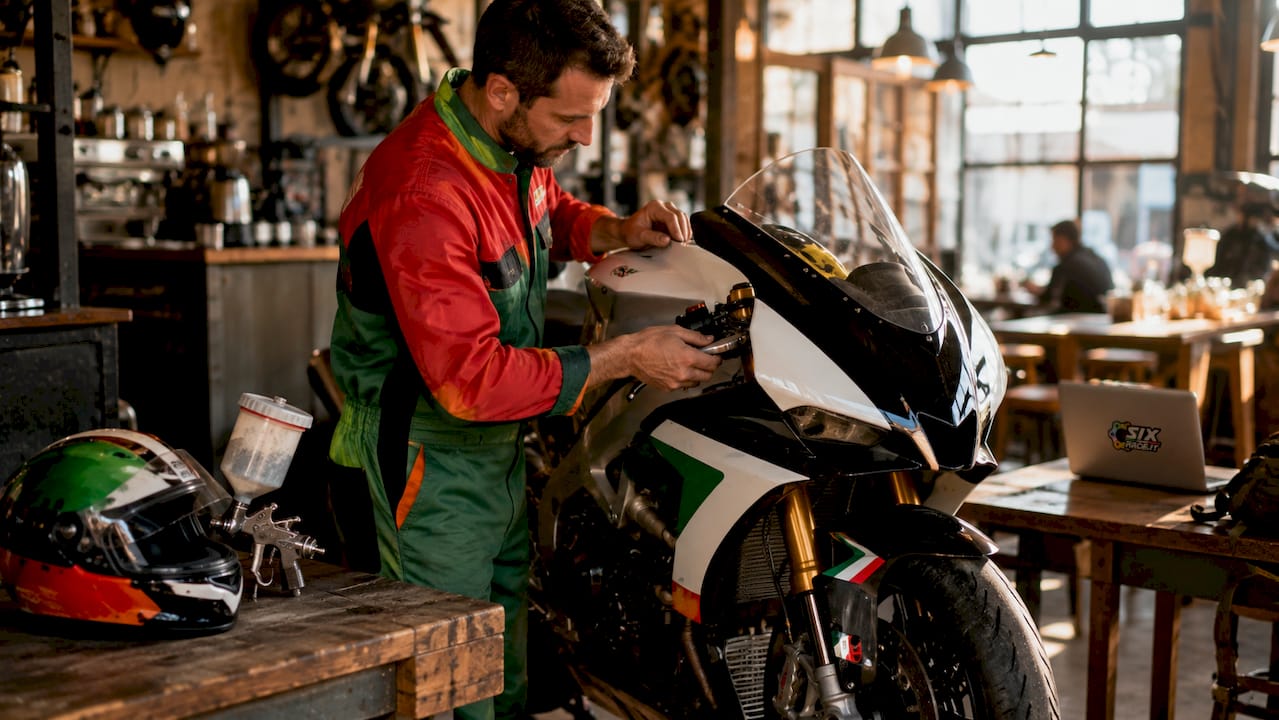
A motorcycle fairing is defined as a shell fitted over the frame and mechanical components to streamline airflow, reduce aerodynamic drag, and protect both the rider and the engine. The role of fairing on motorcycles covers three core functions: drag reduction, rider protection from wind and debris, and crash shielding for the engine and chassis. These functions directly affect speed, fuel efficiency, comfort, and safety. Whether you ride a sport bike on track days or tour across Europe, understanding how fairings work helps you make better decisions about your machine and your kit.
How do fairings affect motorcycle aerodynamics and performance?
Fairings reduce aerodynamic drag by smoothing the airflow over the bike and rider. A naked bike forces air to break around an irregular, upright profile. A faired machine channels that same air along a shaped surface, reducing turbulence and lowering the drag coefficient significantly. Modern fairings increase frontal area by only a small margin compared to naked bikes but cut the drag coefficient enough to improve fuel consumption and top speed measurably.
The aerodynamic gain has a direct mechanical benefit. Streamlining airflow allows engines to run at lower RPM during cruising, which extends engine life and reduces rider fatigue. Less resistance means the engine works less hard to maintain speed. Over a long motorway run, that difference accumulates in both fuel savings and mechanical wear.
MotoGP engineering has pushed fairing aerodynamics far beyond simple drag reduction. MotoGP aerodynamic design now treats the rider’s body as part of the aerodynamic system, using active vents and rear flow control to reduce chaotic wake vortices behind the rider. This approach improves both lap times and high-speed stability. The key insight from professional racing is that the wake turbulence generated behind the rider is the primary source of drag, not the front fairing alone.
Pro Tip: If you ride at sustained motorway speeds, a lower fairing fitted to your existing setup can reduce engine strain noticeably. Check mounting points carefully before fitting.
| Metric | Faired motorcycle | Naked motorcycle |
|---|---|---|
| Drag coefficient | Significantly lower | Higher due to irregular profile |
| Engine RPM at cruise | Lower | Higher |
| Rider wind exposure | Minimal | Full |
| High-speed stability | Improved | Reduced |
| Fuel efficiency | Better | Worse at speed |
What safety and comfort benefits do motorcycle fairings provide?
Fairings protect the rider from wind blast, cold air, and road debris. At motorway speeds, unprotected wind exposure causes physical fatigue within an hour. A well-fitted fairing deflects that airflow away from the torso and helmet, reducing the muscular effort needed to hold position. Windscreen shape and fairing geometry directly influence buffeting, which is the turbulent air that strikes the helmet and causes noise and vibration.
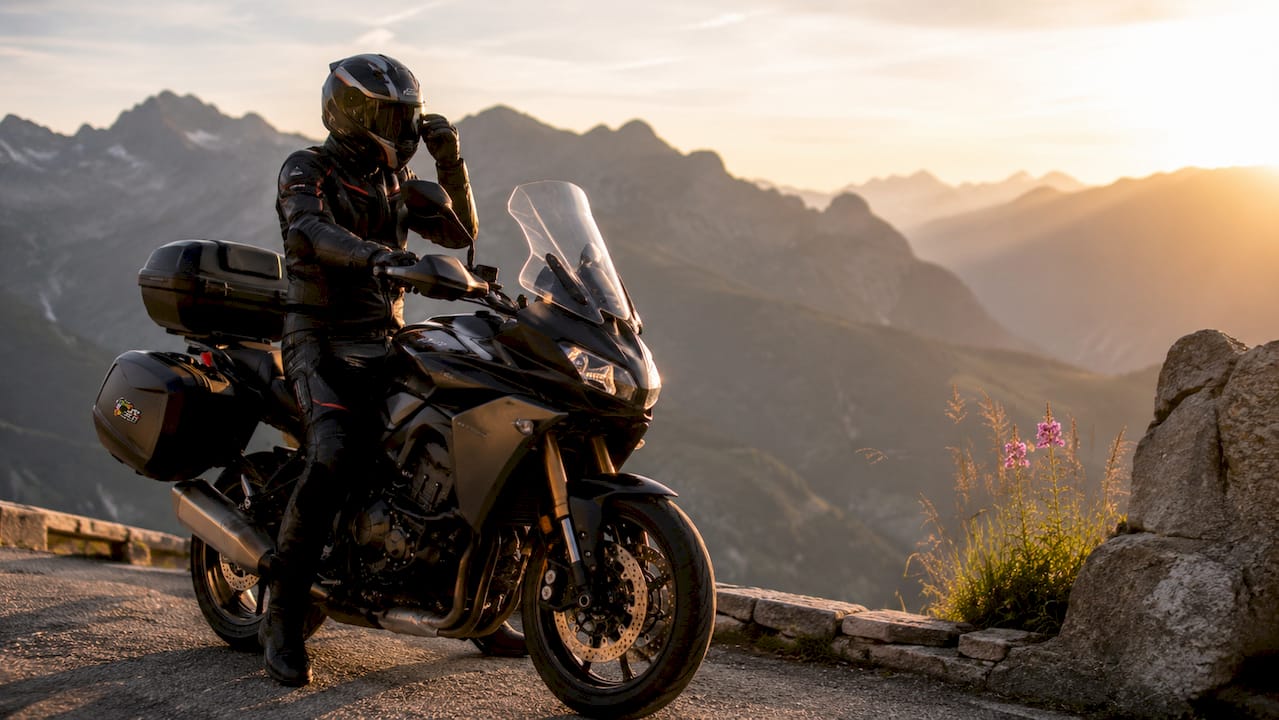
In a crash, the fairing acts as a sacrificial shell. It absorbs initial impact energy before it reaches the engine casings, frame, and exhaust. This protection can mean the difference between a cosmetic repair and a write-off. Riders who tour long distances also benefit from the thermal protection a fairing provides, particularly in cold or wet conditions where wind chill drops the effective temperature considerably.
The comfort benefits are specific and measurable in daily riding terms:
- Wind blast reduction lowers upper-body fatigue on rides over 60 minutes.
- Debris deflection protects the rider from stones, insects, and road spray.
- Thermal shielding keeps cold air away from the legs and torso in winter conditions.
- Noise reduction from buffeting decreases rider stress on long motorway sections.
- Engine heat management is improved when lower fairings channel hot air away from the rider’s legs.
- Crash protection for engine covers, radiators, and frame rails reduces repair costs after a low-speed incident.
Pro Tip: Pair your fairing with quality motorcycle wind protection to address both buffeting and thermal comfort at the same time.
What are the different types of motorcycle fairings?
Fairings are not a single category. Each type serves a different balance of aerodynamic function, rider coverage, and visual style. Understanding the differences helps you match the right fairing to your riding discipline.
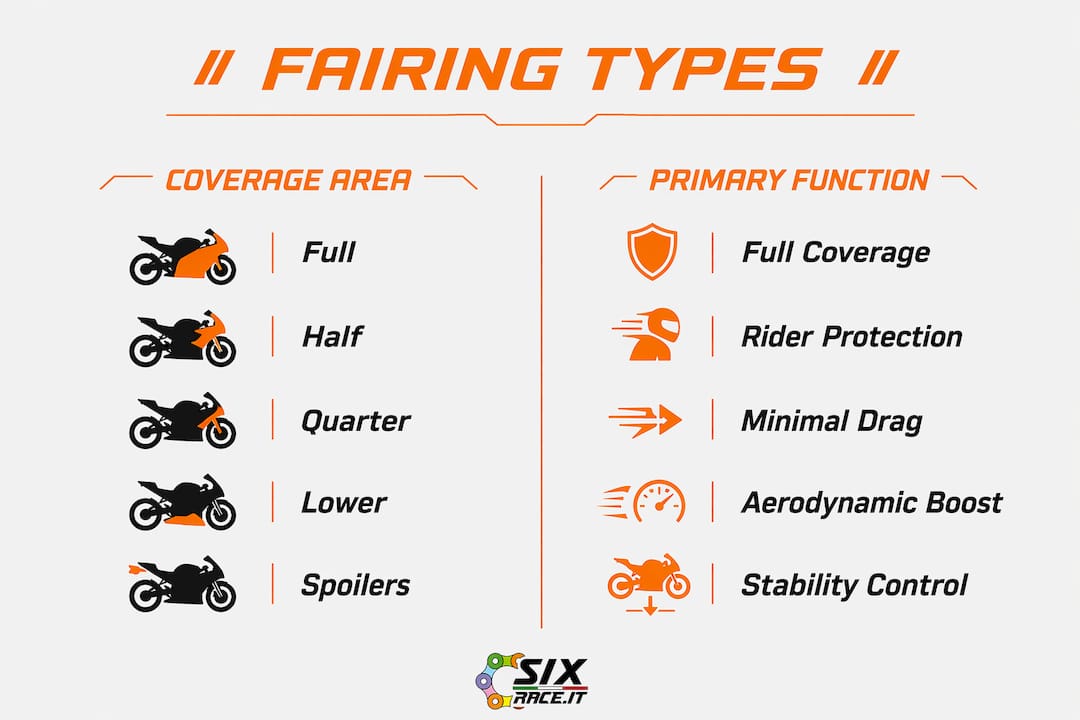
Full fairings enclose the entire front and sides of the motorcycle from headlight to lower engine area. They offer the greatest drag reduction and rider protection. Sport bikes and superbikes use full fairings as standard because the aerodynamic gains are most significant at high speeds. Full fairings also mount headlights and instruments directly to the fairing shell rather than the frame, which reduces steering inertia and aids handling.
Half fairings cover the upper section of the bike, typically from the headlight down to the engine. They provide meaningful wind protection without the weight and bulk of a full enclosure. Many sport-touring machines use this format as a compromise between comfort and aerodynamic efficiency.
Quarter fairings and nose fairings cover only the headlight and upper fork area. Their aerodynamic benefit is limited, but they add a degree of wind deflection and visual character. Café racer builds commonly use this format.
Lower fairings attach beneath the engine and along the lower frame rails. Lower fairings improve aerodynamics by streamlining airflow under the bike, reducing drag and improving stability at highway speeds. They also protect the engine and exhaust from road debris.
Spoilers and winglets, derived from MotoGP racing, improve aerodynamics and stability while adding visual aggression. Active aerodynamic systems can deploy wings to reduce helmet buffeting at increasing speeds, improving comfort on long rides.
| Fairing type | Coverage area | Primary function | Typical use case |
|---|---|---|---|
| Full fairing | Full front and sides | Maximum drag reduction | Sport bikes, superbikes |
| Half fairing | Upper section only | Wind protection and style | Sport-touring machines |
| Quarter fairing | Headlight and upper forks | Minimal wind deflection | Café racers, retro builds |
| Lower fairing | Engine and lower frame | Underbody drag reduction | Touring and highway riding |
| Spoilers and winglets | Rear and upper sections | Stability and downforce | Performance and track use |
Materials matter as much as shape. Acrylic (PMMA) offers scratch resistance and optical clarity, making it a strong choice for windscreens. Polycarbonate offers superior impact resistance and flexibility but scratches more easily. ABS plastic is the most common body panel material for its balance of weight, cost, and repairability.
What nuances and common misconceptions affect fairing effectiveness?
The most common misconception about fairings is that any full fairing automatically improves aerodynamics. A badly designed fairing can increase turbulence around the rider, worsening buffeting and fatigue rather than reducing them. The shape, centre of pressure, and relationship to the rider’s body all determine whether a fairing helps or hinders.
Rider height and seating position are critical variables that most riders overlook. Improperly fitted or aftermarket fairings can cause increased turbulence and instability, including head shake or buffeting, due to poor centre of pressure design or a mismatch with the rider’s physical dimensions. A fairing that works perfectly for a 175cm rider may create significant helmet buffeting for someone 190cm tall.
The aerodynamic zone that matters most is not at the front of the bike. Professional aerodynamic development focuses on controlling the wake behind the rider as the primary aerodynamic challenge. Front fairings manage incoming airflow, but the chaotic turbulence created behind the rider’s helmet and shoulders determines drag and stability at speed.
Aftermarket styling components without aerodynamic testing can actively worsen handling. Poorly designed styling components without aerodynamic testing can negate stability gains. The balance between aesthetics and tested aerodynamic function is not optional. It is the difference between a component that performs and one that creates risk.
To avoid these pitfalls, follow this sequence when evaluating a new fairing:
- Measure your seated height and compare it against the fairing manufacturer’s rider height recommendations.
- Check that the windscreen’s “clean air” boundary sits above your helmet at your typical cruising speed.
- Test the fairing at progressively higher speeds before committing to motorway use.
- Assess head shake or vibration through the handlebars, which signals a centre of pressure mismatch.
- Consult a specialist if you experience buffeting after fitting, as screen height adjustment often resolves the issue without replacing the fairing.
How to choose and maintain motorcycle fairings for optimum benefit?
Choosing the right fairing starts with matching the design to your riding style and physical dimensions. A touring rider needs a tall windscreen that moves clean air above the helmet. A track-day rider prioritises low drag and minimal weight over comfort. Matching these requirements before purchase avoids the most common fitment errors.
Material selection shapes long-term satisfaction. Polycarbonate panels absorb impact better in crashes but need careful cleaning to avoid surface scratches. Acrylic windscreens stay clearer for longer but can crack under sharp impact. Mounting systems vary from simple clip-on brackets to complex multi-point fixtures requiring professional calibration. Complex mounts offer better vibration isolation but demand precise installation.
Maintenance keeps a fairing performing as designed:
- Inspect mounting points every 3,000 kilometres for loose fasteners or stress cracks around bolt holes.
- Clean panels with a pH-neutral motorcycle shampoo to avoid degrading plastic surfaces or fading paint.
- Check windscreen clarity regularly, as micro-scratches accumulate and reduce visibility over time.
- Examine seals and grommets where panels meet the frame, as deterioration allows water ingress and vibration.
- Repair minor cracks promptly with appropriate plastic repair kits to prevent propagation under vibration.
Brands such as Powerbronze and R&G, both stocked by Sixrace, produce fairings and protective components built to withstand European road conditions. Matching brand-specific fitment kits to your make, model, and year eliminates compatibility guesswork and reduces installation time. You can also explore Evotech Performance accessories for complementary crash protection that works alongside your fairing system.
Key takeaways
A motorcycle fairing’s primary value lies in aerodynamic drag reduction, rider protection, and crash shielding, and each function depends on correct fitment and design validation.
| Point | Details |
|---|---|
| Aerodynamic drag reduction | Fairings lower the drag coefficient, allowing engines to cruise at lower RPM and improving fuel efficiency. |
| Rider comfort and protection | Correct fairing geometry deflects wind, debris, and cold air, reducing fatigue on long rides. |
| Crash component shielding | Fairings absorb initial impact energy, protecting the engine, radiator, and frame rails. |
| Fitment and rider dimensions | Mismatched fairings cause buffeting and instability; always verify screen height against your seated position. |
| Material selection matters | Polycarbonate offers impact resistance; acrylic offers clarity. Choose based on your primary riding conditions. |
Fairings changed how I think about riding comfort
I spent years riding naked bikes and convincing myself the wind blast was part of the experience. It took a long touring run across the Alps in october to change my mind. By the third hour, the muscular effort of holding position against the airflow was genuinely exhausting, and the wind noise through my helmet had become a constant distraction.
Fitting a proper half fairing to that bike transformed the experience. The reduction in physical effort was immediate and significant. What surprised me more was how much the fairing changed my confidence at motorway speeds. The bike felt planted and predictable in a way it simply had not before.
The lesson I took from that is this: fairings are not just about speed. They are about sustainability. A rider who is less fatigued makes better decisions. A bike that is more stable at speed is safer to ride. The aerodynamic and comfort benefits are inseparable from the safety argument.
My one strong caution is about aftermarket fitment. I have seen riders fit visually impressive spoilers and winglets that had clearly never been tested in airflow. The results ranged from annoying buffeting to genuine instability at speed. If a component does not come with documented aerodynamic validation, treat it as a styling piece only and ride accordingly.
For anyone considering a fairing upgrade, my practical advice is to test at progressively higher speeds before committing to motorway use. Start at 80 km/h, assess the feel, then move to 110 km/h. Any head shake or increased buffeting at the higher speed is a signal to adjust screen height or revisit fitment before going further.
— Matteo
Fairings and accessories at Sixrace

Sixrace stocks a carefully organised range of motorcycle fairings and plastics from established manufacturers, covering road, sport, touring, and adventure applications. Every product is matched by make, model, and year, so compatibility is confirmed before you purchase. The catalogue includes windscreens in both acrylic and polycarbonate, full and half fairing kits, lower fairing panels, and protective accessories from brands such as Powerbronze, R&G, and Acerbis. Sixrace also carries a wide selection of motorcycle accessories to complement your fairing setup. Riders across Europe can access competitive pricing, multilingual support, and tracked shipping through a single platform. Claim your reserved discount and find the right fairing for your bike today.
FAQ
What is the main role of a fairing on a motorcycle?
A motorcycle fairing reduces aerodynamic drag, protects the rider from wind and debris, and shields the engine and chassis in a crash. These three functions work together to improve speed, comfort, and safety.
Do fairings actually improve top speed?
Fairings lower the drag coefficient significantly compared to naked bikes, allowing higher top speeds at the same engine output. They also allow the engine to cruise at lower RPM, which reduces wear over time.
What types of motorcycle fairings are available?
The main types are full fairings, half fairings, quarter fairings, lower fairings, and spoilers or winglets. Each type offers a different balance of aerodynamic coverage, rider protection, and weight.
Can a fairing cause buffeting or instability?
Yes. A poorly designed or incorrectly fitted fairing can increase turbulence around the rider, causing helmet buffeting, head shake, or instability at speed. Rider height and seating position are critical variables that must match the fairing’s centre of pressure design.
What materials are motorcycle fairings made from?
Common materials include ABS plastic for body panels, polycarbonate for impact-resistant screens, and acrylic (PMMA) for windscreens requiring optical clarity. Polycarbonate is more flexible under impact; acrylic resists scratching better in daily use.
 Italiano
 Deutsch
 Français
 Español
 English
 Polski