
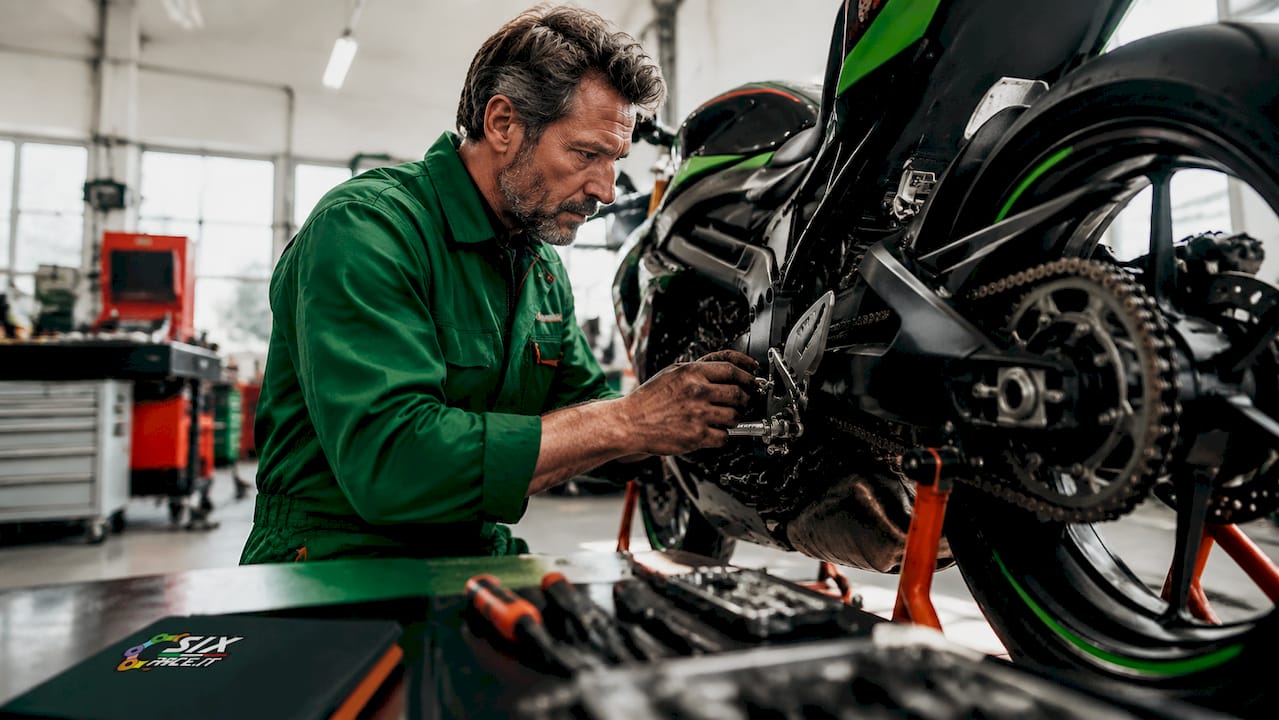
Common motorcycle modification mistakes are errors that compromise your bike’s performance, safety, and legal standing before you even leave the garage. At least 20% of motorcycles in Europe have been modified, and a significant proportion of those fail regulatory inspections. That figure reflects how often riders modify without fully understanding the consequences. Whether you are fitting a new exhaust, changing handlebars, or reworking bodywork, the gap between a good upgrade and a costly error is narrower than most riders expect.
1. What are the most frequent legal compliance errors when modifying motorcycles?
Legal compliance is the area where most riders make their first and most expensive mistakes in bike customisation. The core concept to understand is type approval, the certification that confirms a motorcycle meets safety and environmental standards set by regulatory bodies. Voiding type approval removes the bike’s legal status and can result in denied insurance claims after an accident. That is not a technicality. It is a financial and legal exposure most riders do not anticipate.
Common legal compliance errors include:
- Exhaust bypasses and emissions control removal. Fitting a non-approved exhaust or removing a catalytic converter strips the bike of its homologation. Illegal exhaust modifications can attract fines, vehicle seizure, and registration suspension.
- Removing mirrors. Most jurisdictions require at least one rearview mirror. Removing mirrors is illegal and directly increases accident risk by eliminating rear visibility.
- Non-standard lighting. Installing lights in prohibited colours, such as red at the front or blue anywhere, or fitting strobing effects, breaches road traffic regulations in most European countries.
- Failing to notify your insurer. Many riders skip informing their insurer after modifications, which can invalidate claims even when the modification itself is legal.
Pro Tip: Before fitting any aftermarket part, check whether it carries an ECE (Economic Commission for Europe) approval mark. This mark confirms the component meets European road use standards and protects your type approval status.
2. How do mechanical mistakes during modification compromise safety?
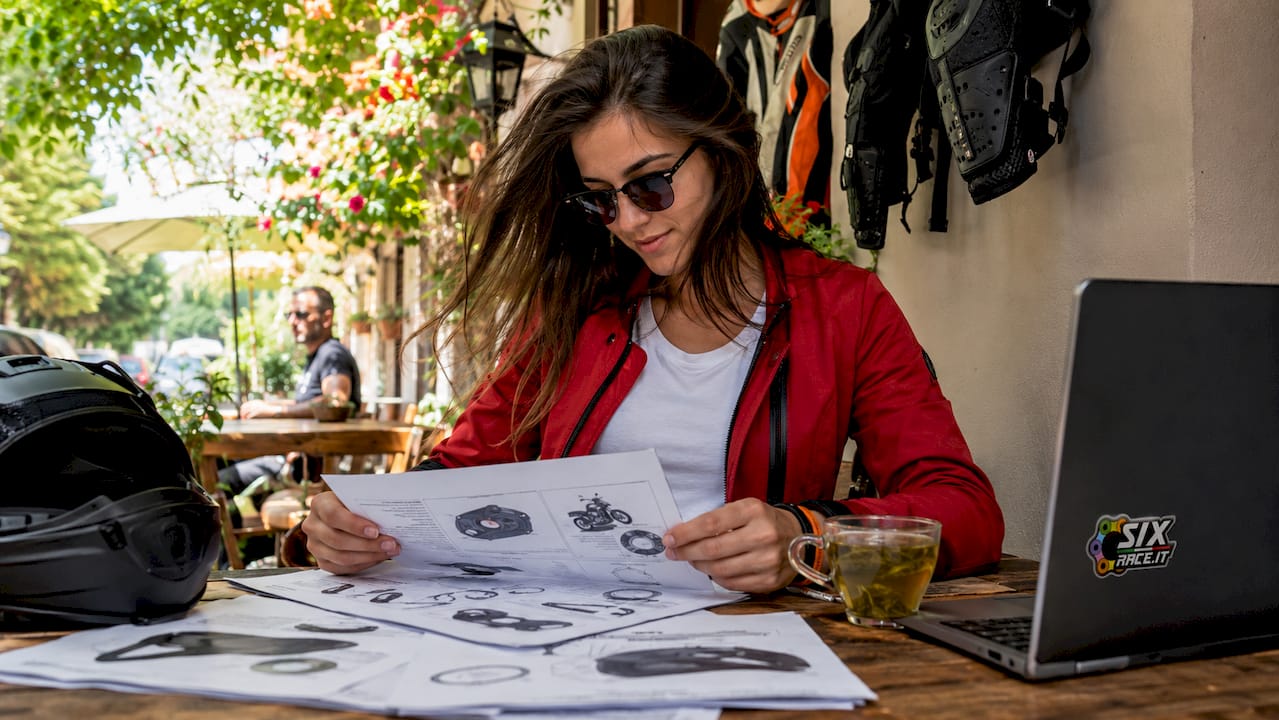
Mechanical errors in motorcycle modifications are often invisible until they cause a failure at speed. The most frequent category involves poor fitment: parts that are close to correct but not precisely matched to the frame, fuel system, or steering geometry. Aftermarket handlebar changes with installation errors are a leading cause of accidents in custom builds. A handlebar that sits 5mm out of alignment changes the steering response in ways that only become apparent under hard cornering.
The most damaging mechanical mod pitfalls follow a predictable pattern:
- Skipping the fuel tank flush after welding. Metal shavings left inside a custom tank travel through the fuel system and destroy injectors or carburettor jets within weeks. This is one of the most common hidden failures in custom tank installations.
- Ignoring tuning requirements after performance parts. Fitting a high-flow air filter or a freer-flowing exhaust without remapping the fuel injection or adjusting the carburettor creates a lean fuel mixture. A lean mixture causes overheating and accelerated engine wear.
- Over-tightening fasteners. Torquing bolts beyond the manufacturer’s specification causes metal fatigue and micro-cracks in aluminium components. These cracks propagate under vibration and can cause catastrophic failure.
- Clearance failures in custom tank installations. Custom tank fitment frequently fails due to overlooked clearance issues between the tank and frame, leading to fuel line chafing and fuel delivery failures.
- Trend-driven parts without integrated tuning. Fitting performance components in isolation without coordinated tuning causes engine imbalance, reduces fuel efficiency, and accelerates wear.
Novice riders most often modify parts in isolation, treating each component as independent. A motorcycle is a system. Changing one element without accounting for its effect on adjacent systems is the root cause of most mechanical modification failures.
3. What warranty and resale value mistakes should you avoid?
Warranty voidance is one of the least discussed but most financially damaging consequences of poor motorcycle upgrades. Manufacturers enforce warranty voidance for engine and electrical modifications, leaving owners liable for the full cost of repairs that would otherwise be covered. A single engine rebuild on a modern litre-class motorcycle can cost several thousand pounds. That cost falls entirely on you if an aftermarket part contributed to the failure.
Key warranty and resale mistakes to avoid:
- Modifying the engine or ECU without authorisation. Engine remaps, power commander installations, and ECU flashing are the modifications most likely to trigger warranty voidance clauses.
- Over-modifying for personal taste. A heavily customised motorcycle appeals to a narrow pool of buyers. Buyers who want a standard machine will discount heavily or walk away entirely.
- Using non-approved parts. Parts without recognised certification create doubt about safety and compliance. Buyers and dealers both treat undocumented modifications as a liability.
- Failing to document modifications. Every change should be recorded with receipts, part numbers, and installation dates. Documentation reassures buyers and provides evidence of compliance if the bike is inspected.
- Ignoring dealer-installed performance modifications. Some performance modifications sold through dealers are not road legal. Certain bikes are derestricted post-approval, which invalidates road use and insurance even when the modification was dealer-supplied.
Balancing personalisation with long-term value means choosing reversible modifications where possible. Fitting quality approved accessories from recognised manufacturers preserves both the bike’s function and its appeal to future buyers.
4. Which cosmetic and accessory modifications cause hidden problems?
Cosmetic modifications carry a reputation for being low-risk. That reputation is wrong. Many seemingly minor changes create legal, safety, or insurance problems that only surface after an incident.
| Modification | Hidden risk | Regulatory status |
|---|---|---|
| Removing indicators | Illegal in most European jurisdictions | Prohibited |
| Non-standard lighting colours | Breaches road traffic regulations | Prohibited |
| Loud exhausts without approval | Attracts fines and noise enforcement | Restricted |
| Tinted visors below legal light transmission | Fails roadworthiness inspection | Restricted |
| Removing rear mudguard | Can affect type approval status | Jurisdiction-dependent |
The insurance dimension is particularly underappreciated. Riders who skip notifying their insurer after cosmetic or accessory changes risk having claims rejected entirely. An insurer can argue that an undisclosed modification changed the risk profile of the policy. That argument holds up in most European jurisdictions.
Fitting loud exhausts or removing noise and emissions controls is one of the most common cosmetic mod errors. Riders often treat exhaust sound as a purely aesthetic choice. Regulators treat it as an environmental and public safety matter, and enforcement is increasing across European cities.
Pro Tip: Always check whether a cosmetic modification affects your bike’s homologation certificate. If it does, notify your insurer in writing before riding the modified bike. Keep a copy of that notification with your documentation.
Key takeaways
The most damaging motorcycle modification mistakes share a single root cause: changing one part of a complex system without understanding its effect on safety, legality, and long-term value.
| Point | Details |
|---|---|
| Type approval is non-negotiable | Voiding it removes legal status and can invalidate insurance claims after accidents. |
| Mechanical mods require integrated tuning | Fitting performance parts without remapping or retuning causes engine wear and imbalance. |
| Document every modification | Records protect warranty claims, support resale value, and demonstrate regulatory compliance. |
| Notify your insurer | Even cosmetic changes can invalidate a policy if the insurer was not informed beforehand. |
| Use approved parts | ECE-marked or manufacturer-approved components protect type approval and buyer confidence. |
Matteo’s perspective: why most riders get modifications wrong
The pattern I see most often is not ignorance. It is impatience. Riders find a part they want, order it, fit it, and only then start reading about whether it was the right choice. By that point, the warranty clause has been triggered, the insurer has not been notified, and the tuning is off.
The uncomfortable truth about bike modification advice is that the most important work happens before you buy anything. Mapping out which modifications are reversible, which require professional installation, and which affect type approval takes an afternoon. Skipping that step costs far more in time and money than the modification itself.
I have seen riders fit approved exhaust systems correctly and gain genuine performance benefits with zero legal exposure. The difference between those riders and the ones who end up with failed inspections is not budget or mechanical skill. It is preparation. They checked the approval status, confirmed compatibility with their specific model and year, and kept the documentation.
The other mistake I see repeatedly is treating cosmetic and mechanical modifications as separate categories. They are not. A bodywork change that affects airflow changes engine thermals. A handlebar swap that looks purely aesthetic changes steering geometry. Every modification is a systems decision, even when it does not look like one.
— Matteo
Sixrace: approved parts for riders who modify with confidence
Riders who plan modifications carefully deserve parts that match that standard. Sixrace stocks a carefully organised catalogue of aftermarket components from manufacturers including Evotech Performance, HP Corse, Acerbis, Dynojet, R&G, and HealTech, all matched by motorcycle make, model, and year to simplify compatibility checks.
Whether you are sourcing performance motorcycle accessories that meet regulatory standards, or looking for Honda motorcycle parts with confirmed fitment for your specific model, Sixrace provides the product information and multilingual support to help you choose correctly the first time. Riders across Europe can access a reserved discount on the full catalogue through the Sixrace discount page, covering accessories, spare parts, and performance components for road, sport, touring, adventure, and off-road motorcycles.
FAQ
What makes a motorcycle modification illegal in Europe?
A modification becomes illegal when it voids the bike’s type approval, breaches noise or emissions standards, or removes required safety equipment such as mirrors or indicators. Regulatory bodies across Europe enforce these standards at roadworthiness inspections and during accident investigations.
Does fitting an aftermarket exhaust void my motorcycle warranty?
Fitting a non-approved aftermarket exhaust can void the warranty on engine and emissions-related components. Manufacturers enforce this clause when they can demonstrate the modification contributed to a failure, so always check approval status before fitting.
Do I need to tell my insurer about cosmetic modifications?
Yes. Failing to notify your insurer about any modification, including cosmetic changes, can invalidate your policy. Notify your insurer in writing before riding the modified bike and keep a record of the notification.
What is type approval and why does it matter for modifications?
Type approval is the certification confirming a motorcycle meets European safety and environmental standards. Modifications that remove or alter type-approved components can strip the bike of its legal road status and result in denied insurance claims after accidents.
How do I avoid mechanical failures when fitting performance parts?
Always remap or retune the fuel system after fitting performance intake or exhaust components. Use a professional workshop for installation, verify clearances on custom parts, and follow manufacturer torque specifications for all fasteners.
 Italiano
 Deutsch
 Français
 Español
 English
 Polski